
The Kentucky Derby is not something you observe. It is something you answer.
It arrives with a kind of presence that asks more of you. Not perfection, but intention. A reason to pause, to prepare, to treat a single afternoon as if it holds weight, because it does.
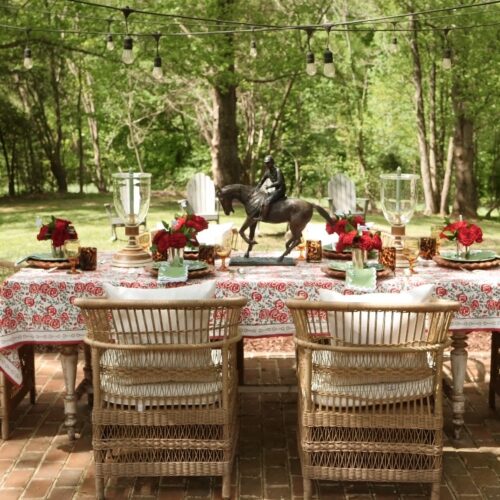
What begins at Churchill Downs has never been contained by it. It moves outward, carried in tradition and instinct, into homes and gardens and long tables set under open skies. It becomes something personal.
You feel it in the hours before anyone arrives.
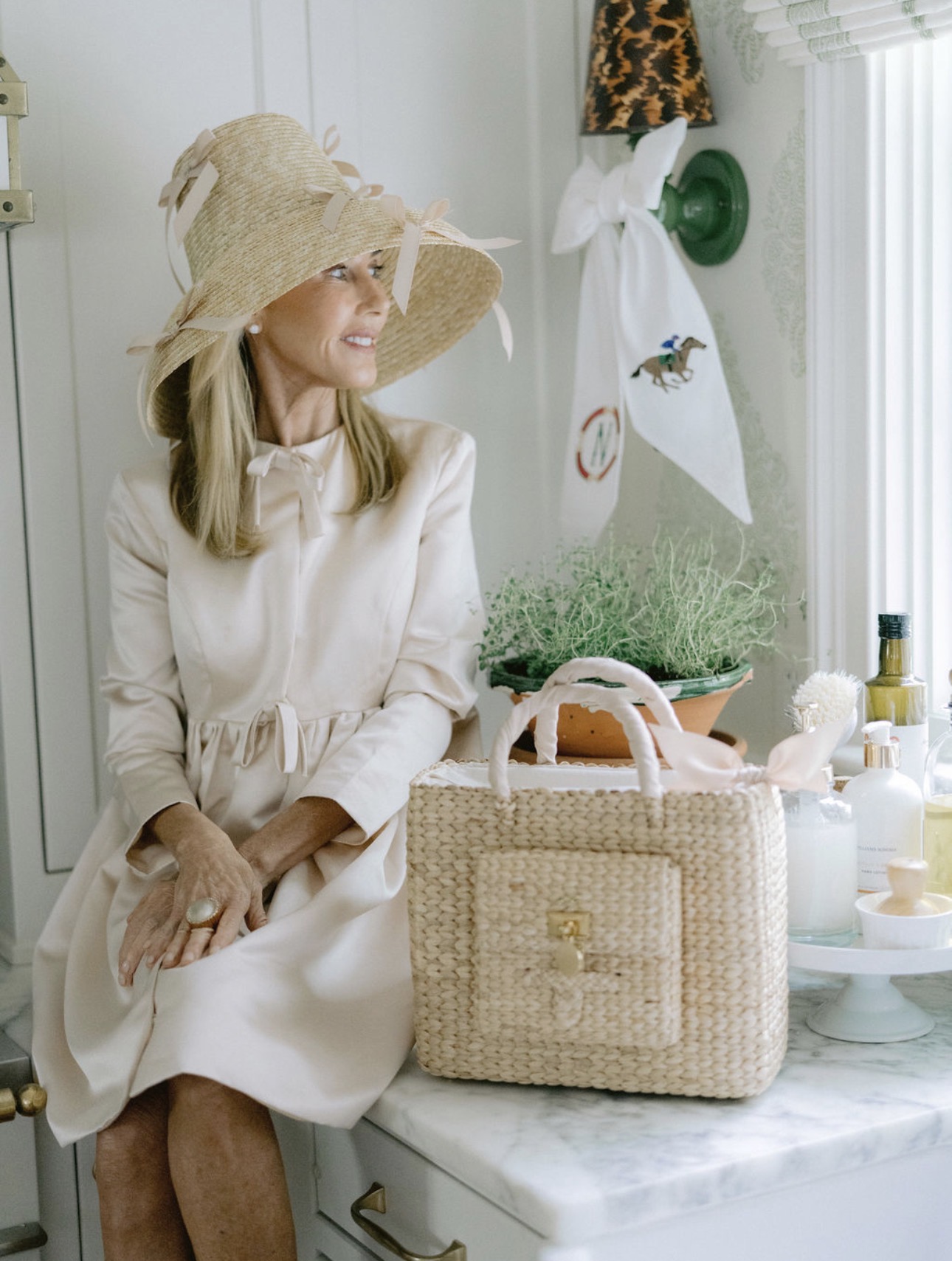
The quiet decision to make the table just a little more beautiful than necessary. The way glass catches the light. The small, deliberate choices that signal this is not an ordinary day. Even what you choose to wear carries a sense of purpose. Not for spectacle alone, but because there is still something meaningful about rising to an occasion.
By the time guests gather, the day has already taken shape.
There is an ease to it, but never carelessness. Conversation builds gradually, folding in on itself. Laughter comes quicker. Time loosens its grip. No one is watching the clock, and no one wants to be anywhere else.
This is as much a part of Derby as the race itself.
Because when the moment finally comes, when attention turns and the field takes off, the world narrows in a way that feels almost collective. For two minutes, everything holds.
And then it releases.
The race ends, but the day does not. It settles back into itself, softer now, fuller somehow. The kind of afternoon that lingers longer than expected, not because of what happened, but because of how it felt.
The Kentucky Derby has never belonged to those two minutes alone.
It belongs to the anticipation.
To the preparation.
To the decision to gather and make something worth remembering.
Long after the race is over, that is what stays with you.
Not just that you watched it.
But that you rose to it.